How to care for and look after your system
Septic System TLC: Your Guide to a Healthy, Happy, and Long-Lasting System
Your septic system is a hardworking, essential part of your home, but like any vital system, it needs a bit of care and attention to keep it running smoothly and prevent costly problems. By understanding how your system works and following some simple "Do's and Don'ts," you can significantly extend its lifespan, protect your investment, and safeguard public health and the environment.
Think of this as your owner's manual for septic system care!
1. Be Water Wise: Less is More!
The more water your household uses, the more wastewater your septic system has to treat and disperse. Overloading it can lead to premature failure.
DO Fix Leaks Promptly: A running toilet or a dripping faucet can waste hundreds, even thousands, of gallons of water per month, putting unnecessary strain on your system.
DO Install Water-Efficient Fixtures: High-efficiency toilets, showerheads, and faucet aerators can significantly reduce your water consumption.
DO Spread Out Water Use: Avoid doing multiple loads of laundry, running the dishwasher, and having everyone shower all in one day. Spread these high-water-use activities throughout the week.
DON'T Leave Taps Running Unnecessarily.
2. Think Before You Flush (or Pour Down the Drain!): Your Septic's Diet Matters
Your septic system is designed to handle human waste and toilet paper – and not much else! Treating it like a trash can will lead to problems.
DO ONLY Flush Human Waste and Toilet Paper: That's it.
DON'T Flush:
"Flushable" Wipes: These do NOT break down like toilet paper and are a major cause of clogs and septic problems.
Feminine Hygiene Products (tampons, pads)
Paper Towels, Facial Tissues, Cotton Swabs, Dental Floss
Diapers (even "flushable" ones)
Condoms
Cigarette Butts
Cat Litter
DON'T Pour Down the Drain:
Fats, Oils, and Grease (FOG): These solidify in pipes and the tank, causing clogs and hindering treatment. Wipe greasy pans with a paper towel and dispose of it in the trash.
Food Waste (especially from Garburators): Garburators significantly increase the solids load on your septic tank, requiring more frequent pumping and potentially stressing the dispersal field. If you have one, use it very sparingly. Better yet, compost food scraps.
Harsh Chemicals: Drain cleaners, solvents, paints, thinners, pesticides, automotive fluids, and excessive amounts of bleach can kill the beneficial bacteria in your septic tank that are essential for breaking down waste.
Medications: Unused medications should not be flushed. Take them to a pharmacy take-back program.
DO Use Septic-Safe Cleaning Products: Opt for biodegradable and phosphate-free cleaners in moderation.
3. Protect Your Dispersal Field (Drainfield/Leach Field): The Unsung Hero
The dispersal field is where the real magic of wastewater treatment happens in the soil. It needs to be protected.
DO Know Its Location: And the location of your replacement area (if designated).
DON'T Drive or Park Vehicles/Heavy Equipment Over It: This compacts the soil, reducing its ability to treat effluent and can damage pipes.
DON'T Build Structures Over It: No sheds, patios, decks, swimming pools, or additions.
DON'T Cover it with Impermeable Surfaces: Like asphalt or concrete. The soil needs to breathe.
DO Maintain Appropriate Vegetation: Grass is generally the best cover. Avoid planting trees or shrubs with aggressive, deep root systems near or on the field, as roots can clog and damage pipes. Check with your ROWP for suitable local plantings.
DO Divert Surface Water Away: Ensure roof drains, sump pump discharges, and surface runoff from driveways and slopes are directed away from the dispersal field. Excess water can saturate the field and prevent it from working correctly.
4. Regular Professional Maintenance & Pumping: Non-Negotiable!
This is the most important thing you can do for the long-term health of your system.
DO Have Your System Inspected Regularly: Follow the schedule in your system's Operation & Maintenance (O&M) Plan provided by your ROWP. Typically, this means an inspection by a qualified ROWP Maintenance Provider every 1-3 years for Type 1 systems, and more frequently (e.g., annually or semi-annually) for Type 2 or 3 systems.
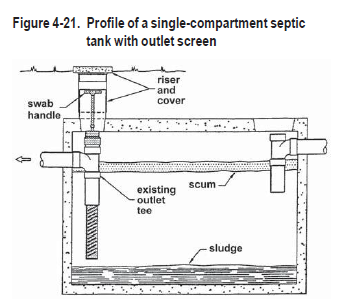
DO Pump Your Septic Tank When Needed: "When needed" means when the combined scum and sludge layers occupy about 1/3 of the tank's liquid depth. Your ROWP will determine this during an inspection. For most homes, this is every 3-5 years, but it varies greatly. Don't wait for signs of failure! Regular pumping is preventative maintenance.
DO Keep Records: Maintain a folder with your system design, O&M plan, and all service reports from inspections and pump-outs. This is invaluable for tracking performance and for future property sales.
DO Clean Effluent Filters Regularly: If your system has an effluent filter (most modern systems do and should!), it needs to be cleaned as per your O&M plan (often annually or semi-annually by your ROWP). A clogged filter can cause sewage to back up.
5. Know the Warning Signs of Trouble
Early detection can save you from major headaches and expenses. Call your ROWP immediately if you notice:
Slow Drains or Toilet Backups: Especially if it affects multiple fixtures.
Gurgling Sounds: From your plumbing.
Sewage Odors: In your home, around the tank, or near the dispersal field.
Wet, Spongy, or Unusually Green Patches of Grass: Over or near the dispersal field, especially during dry weather.
Effluent Surfacing: Liquid appearing on the ground surface.
Alarms Sounding: If your system has an alarm (common with pumps or advanced treatment units), do not ignore it! Silence it if possible, but call for service right away.
Nitrate or Bacteria Contamination: In nearby well water tests (if applicable).
6. Be Careful with Additives
Generally, DON'T Use Septic Tank Additives: Most septic tank additives (enzymes, bacteria, chemicals) are unnecessary for a properly functioning system and do not reduce the need for regular pumping. Some can even be harmful to the system or the environment. The bacteria needed for your tank occur naturally.
Caring for your septic system is an ongoing responsibility, but it doesn't have to be complicated. By being mindful of what goes down your drains, conserving water, protecting your dispersal field, and investing in regular professional maintenance, you'll ensure your "hidden hero" serves your home reliably for decades.
